Home/News/LSG vs CSK Dream11 Prediction, Possible 11 & Pitch Report — IPL 2026 Match 59 at Ekana
Fantasy RetrospectiveIPL 2026 · Match 59
LSG vs CSK Dream11 Prediction, Possible 11 & Pitch Report — IPL 2026 Match 59 at Ekana (10 May 2026)
A retrospective fantasy read on the 59th fixture of IPL 2026 between Lucknow Super Giants and Chennai Super Kings at Ekana Cricket Stadium, originally covered in a CricBlog Dream11 note dated 15 May 2026. The piece below re-examines the table context, the Ekana surface, the injury list, and the form lines that drove captain and vice-captain calls on that afternoon slate.
By GGBet Review Team·10 min read·Original fixture 10 May 2026
Compliance Notice: Fantasy sports involve skill and strategy. 18+ only. Please play responsibly and within the laws of your state. This article is a retrospective fantasy analysis of an IPL 2026 fixture covered by CricBlog on 15 May 2026; no live prediction is being offered for an upcoming match.
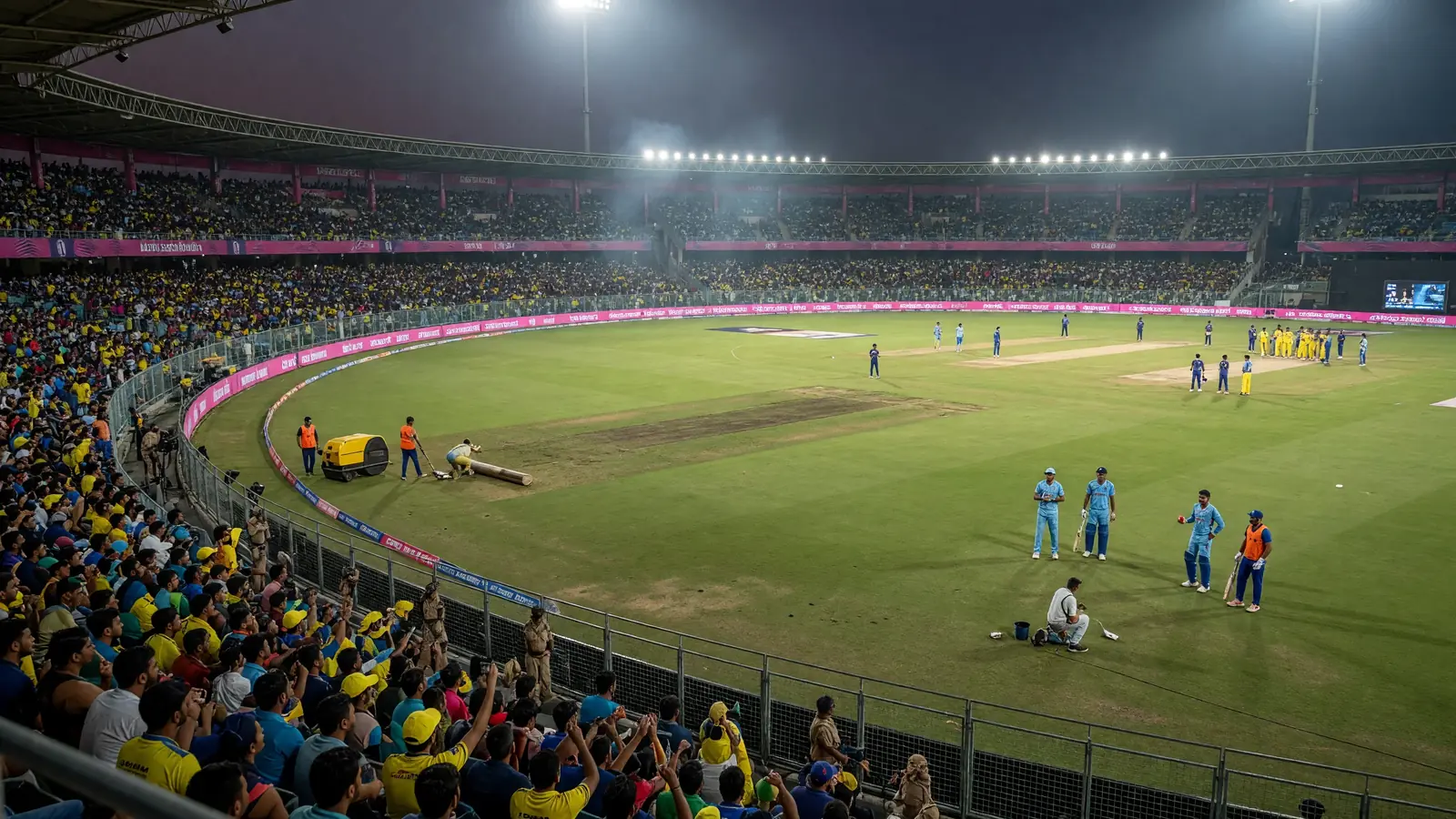
On the afternoon of 10 May 2026, Lucknow Super Giants hosted Chennai Super Kings in Match 59 of IPL 2026 at Ekana Cricket Stadium. The scheduled start was 3:30 PM IST. By that stage of the league, the two sides arrived with sharply different seasons already written into the table: CSK sat fifth with six wins from eleven matches, still in the playoff conversation, while LSG were bottom with three wins from eleven and already eliminated from the knockout race.
A CricBlog Dream11 preview dated 15 May 2026 captured the fantasy questions that defined the fixture — surface numbers at Ekana, bowling absences on both sides, and a short list of players whose season numbers made them automatic captaincy candidates. Looking back from August, that preview still works as a case study in how to read a late-season IPL slate when one team is free of pressure and the other is still fighting for a top-four place.
Where the sides stood before the toss
The table gap was the first fact any Dream11 player had to price. CSK, fifth with six wins in eleven, still controlled their own destiny if results elsewhere fell their way. LSG, bottom with three wins in eleven, had nothing left to chase in the standings. That imbalance changes how XI selection usually works: the eliminated side often rotates more freely, while the chasing side tends to stick with the combination that has kept them alive.
For fantasy teams, the practical effect was a wider range of LSG batting outcomes and a tighter CSK structure. Stacking three CSK core players carried less role risk than stacking three LSG names whose batting order could still shift on the day. The reverse was also true on the bowling side: LSG’s attack had already been thinned by injury, so the remaining names carried heavier over-share if they stayed fit.
The previous meeting that still hung over the card
The sides had already met once in IPL 2026. In that earlier fixture, CSK won by five wickets after LSG collapsed from 91 for 1 in the seventh over to 147 for 6 by the fifteenth. Josh Inglis made 85 and Shahbaz Ahmed added 43 for the Super Kings chase. Those two innings sat in every fantasy memory bank heading into Match 59, because both players had already shown they could convert a mid-chase platform against this attack.
The collapse itself mattered as much as the chase. LSG’s middle order had failed to protect a strong powerplay start, which is the exact pattern Dream11 teams punish when they overweight top-order batters from a struggling side. The preview used that reverse fixture less as a head-to-head curiosity and more as a warning about correlated LSG batting risk once the first wicket fell.
Injury board: Overton out, Mohsin missing, replacements in play
Jamie Overton was ruled out for the rest of the season with a thigh injury. CSK were expected to bring in Spencer Johnson as the direct pace replacement, with Dian Forrester listed as an outside chance rather than a locked starter. Losing Overton removed a dual-threat all-rounder from the CSK fantasy pool and shifted bowling points toward the specialist quicks who would inherit his overs.
For LSG, Mohsin Khan’s injury was described as a major blow to the bowling group. Without him, the left-arm seam share had to be redistributed, and the remaining attack already carried a red flag in Digvesh Rathi, whose season economy sat at 10. An economy that high does not automatically disqualify a bowler from a Dream11 card — wicket-taking upside can still clear the points threshold — but it does force a lower ownership approach and a harder look at matchup and over allocation before lock.
Together, the two injuries tilted the bowling market. CSK’s pace cupboard still had depth through the Johnson option; LSG’s cupboard looked thinner and more expensive in fantasy terms, because fewer reliable overs meant fewer safe bowling slots on the home side of the card.
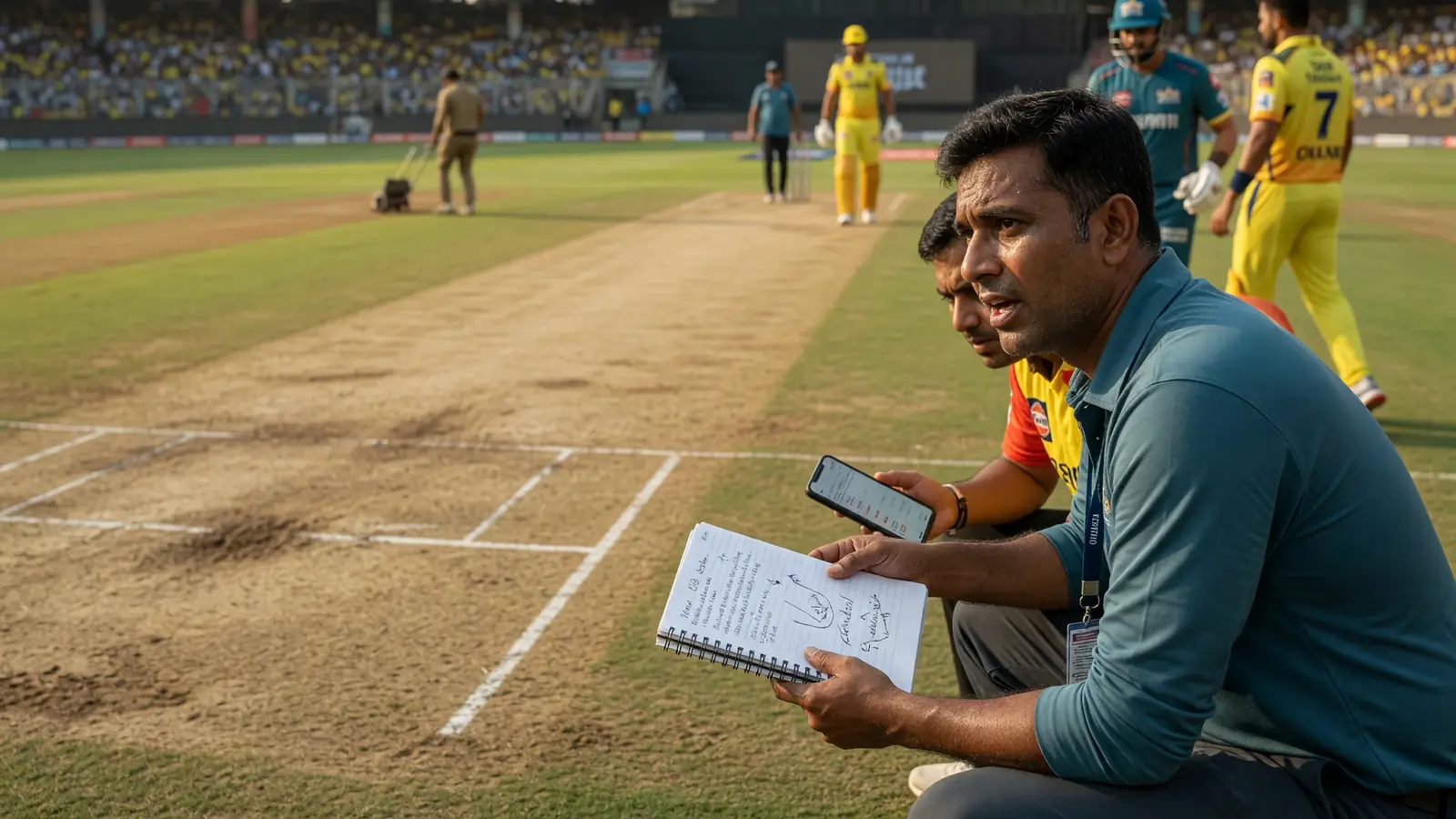
📷 Form line: A powerplay drive under afternoon light. Match 59 captaincy talk leaned toward batters who had already converted starts into heavy scores in IPL 2026.
Ekana pitch and afternoon conditions
Ekana’s IPL 2026 first-innings average sat at 165 across the sample available to the preview. Teams batting first had won three of the five games hosted there, and the expected scoring band for Match 59 was 180 to 200. That combination points to a surface that is competitive rather than extreme: high enough to reward aggressive top orders, not so high that pure bowling differentials disappear.
Weather notes for the afternoon start listed about 36°C at first ball, roughly a 40 percent chance of pre-match showers, humidity in the 40–50 percent range, and limited dew impact. The dew line is the key fantasy detail. Night games at many Indian venues force captains to chase; an afternoon start with limited dew keeps the toss closer to a pure surface read. Fantasy teams did not need to auto-load the side batting second the way they often do under lights.
If pre-match showers delayed the start, the shorter contest would have raised the value of powerplay specialists and reduced the value of pure death bowlers. The preview treated that as a contingency rather than the base case. With humidity moderate and dew limited, the base case remained a full 20-over game in the 180–200 band.
The form chart that drove captain calls
Sanju Samson sat on 430 runs at an average of 53.75 and a strike rate of 169.29, with two centuries and a fifty already banked. Those numbers made him the clearest high-floor, high-ceiling batting anchor on either sheet. In a contest where one side was eliminated and the other still needed points, Samson’s combination of average and strike rate justified captaincy even against a settled CSK attack.
On the bowling side, Anshul Kamboj had 19 wickets in 11 games — the standout wicket tally in the preview’s shortlist. Prince Yadav had 16 wickets in 11, including nine of those in five matches at Ekana. Venue splits of that kind are rare and decisive: a bowler who has already taken nine wickets in five home games is not a speculative differential; he is a role-and-conditions pick with a proven floor at the ground.
Fantasy teams that ignored the Ekana split on Yadav and simply ranked bowlers by season totals underpriced the home advantage. Teams that ignored Samson’s conversion rate and chased a lower-owned LSG hitter for uniqueness took on correlated collapse risk that the reverse fixture had already advertised.
Head-to-head ledger and what it actually meant
Across seven previous meetings, CSK led 4–2 with one no result. Head-to-head records this short rarely decide a Dream11 card on their own, but they do colour ownership. CSK’s historical edge, plus the five-wicket win in the reverse fixture, pushed public captaincy toward Super Kings names and left LSG assets slightly under-owned relative to pure form.
The smarter read separated history from role. CSK’s 4–2 edge said more about long-run quality than about who would bowl the 19th over at Ekana on 10 May. For captaincy, role and recent numbers still outranked the all-time ledger. For building unique lineups in large contests, the ledger was useful only as a reminder that LSG names could be faded by the field even when individual form justified inclusion.
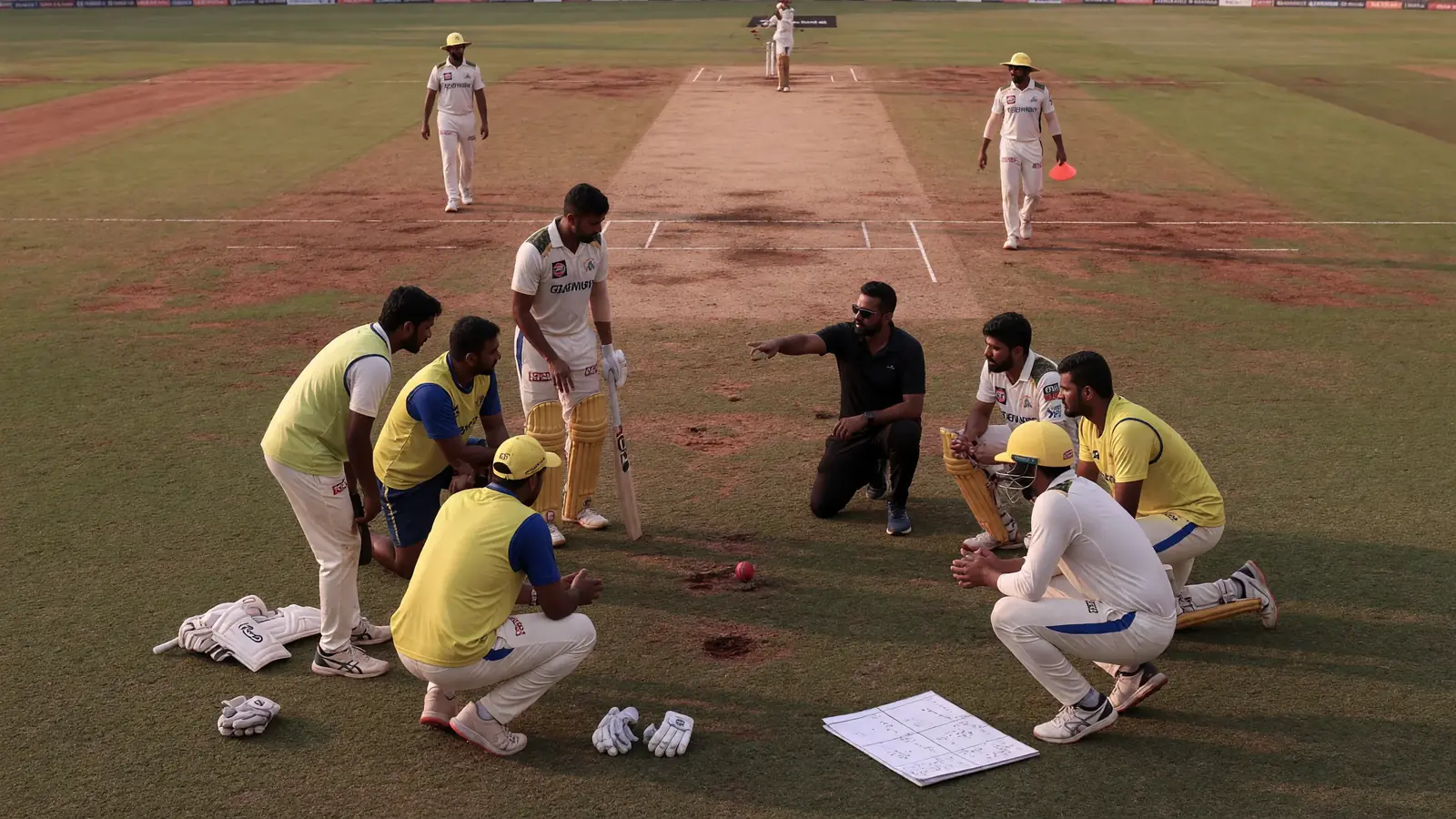
📷 Tactical frame: Field set between balls at a mid-season IPL venue. Over-share and matchup, not shirt colour, decide which bowlers clear the points line.
How a balanced Dream11 card looked on paper
A standard build for Match 59 started with Samson locked in a captain or vice-captain slot, then filled bowling with at least one of Kamboj or Yadav to capture the wicket market. The third bowling slot was the hard one: CSK’s Johnson-for-Overton swap created uncertainty about exact overs, while LSG’s attack without Mohsin left fewer trustworthy names and one clear economy risk in Rathi.
Batting construction favoured a 4–3 or 5–2 split toward CSK if the toss and weather kept the game full-length. LSG’s eliminated status argued against heavy stacks unless the confirmed XI showed a settled top three. All-rounder value thinned once Overton was ruled out; that pushed points back into pure batters and pure bowlers rather than dual-category coverage.
Avoid locking both LSG openers solely because they were cheap. The reverse-fixture collapse from 91 for 1 showed how quickly correlated top-order points can vanish. Better to pair one LSG top-order name with CSK middle-order insurance than to ride the entire Lucknow powerplay together.
Where the original preview landed
CricBlog tipped CSK to win despite Overton’s absence. The reasoning tracked the table and the reverse result more than any single matchup: a side still hunting a playoff place, with a recent five-wicket win over the same opponent, was the cleaner pick against a bottom-placed host already out of contention.
For Dream11, a CSK win tip did not force a CSK-only card. It did justify giving Super Kings the larger share of safe slots — wicketkeeper-batter, one frontline seamer, and one middle-order batter — while using LSG for the differential bowling pick at Ekana and a single high-upside hitter. The win tip was a portfolio weight, not a command to ignore home bowlers with proven venue numbers.
Fantasy lessons that still travel
Three lessons from Match 59 remain useful on any late-season IPL slate. First, eliminated teams create XI noise: price role certainty before raw talent when a side has nothing left in the table. Second, venue splits beat season totals when the sample is clean — nine wickets in five Ekana games is a stronger signal than sixteen wickets spread across eleven anonymous venues. Third, afternoon starts with limited dew remove the automatic chase bias that dominates night games; rebuild the toss logic from the surface average, not from habit.
Injury replacement chains deserve a dedicated pre-lock check. Overton to Johnson was not a like-for-like fantasy swap: the bowling overs might transfer, but the batting depth and all-rounder category value do not. Mohsin’s absence similarly forced LSG’s remaining seamers into heavier workloads, which can raise both ceiling and blow-up risk in the same move.
Finally, reverse-fixture film is more valuable than career head-to-head. The collapse from 91 for 1 and Inglis’s 85 told fantasy players more about Match 59 risk than the 4–2 all-time ledger ever could. Build from the most recent, most specific evidence, then use longer history only to anticipate public ownership.
What this fixture still explains about IPL fantasy
Match 59 sits in the part of an IPL season where the table stops being abstract. One side is free, one side is desperate, the injury list is longer, and venue data finally has enough games to matter. The CricBlog note from 15 May 2026 preserved that moment with concrete numbers: Samson’s 430 runs, Kamboj’s 19 wickets, Yadav’s nine in five at Ekana, the 165 first-innings average, and the Overton and Mohsin absences.
Those figures, not slogans, are why the fixture remains a useful teaching game for fantasy players. Late-season cards are won by reading pressure, surface, and replacement chains in the same pass. For a fuller run of IPL 2026 fantasy notes, confirmed XIs and pitch reads, browse the cricket news archive kept by the desk through the season.
Build your next fantasy cricket team
Use code INDIA100 for a Rs 100 welcome bonus on your first contest.
Match 59 of IPL 2026 between Lucknow Super Giants and Chennai Super Kings was scheduled for 10 May 2026 at 3:30 PM IST at Ekana Cricket Stadium, Lucknow.
Where did CSK and LSG sit on the table before Match 59?
At the time covered by the preview, CSK were fifth with six wins in 11 matches. LSG were bottom with three wins in 11 and already out of playoff contention.
What did the Ekana pitch report show?
Ekana’s IPL 2026 first-innings average was listed at 165, with teams batting first winning three of five games there. Expected scores sat in the 180–200 band, with about 36°C at start, limited dew impact, and roughly a 40 percent chance of pre-match showers.
Which injuries shaped the fantasy card?
Jamie Overton was ruled out for the rest of the season with a thigh injury, with Spencer Johnson expected to come in for CSK and Dian Forrester an outside chance. Mohsin Khan’s injury was a major blow to LSG’s bowling, while Digvesh Rathi carried a season economy of 10.
Who stood out on the form chart?
Sanju Samson had 430 runs at average 53.75 and strike rate 169.29, with two centuries and a fifty. Anshul Kamboj had 19 wickets in 11 games. Prince Yadav had 16 wickets in 11, including nine in five matches at Ekana.
What was the head-to-head record before this fixture?
Across seven meetings, CSK led LSG 4–2 with one no result. In the previous IPL 2026 meeting, CSK won by five wickets after LSG collapsed from 91 for 1 to 147 for 6, with Josh Inglis scoring 85 and Shahbaz Ahmed 43.